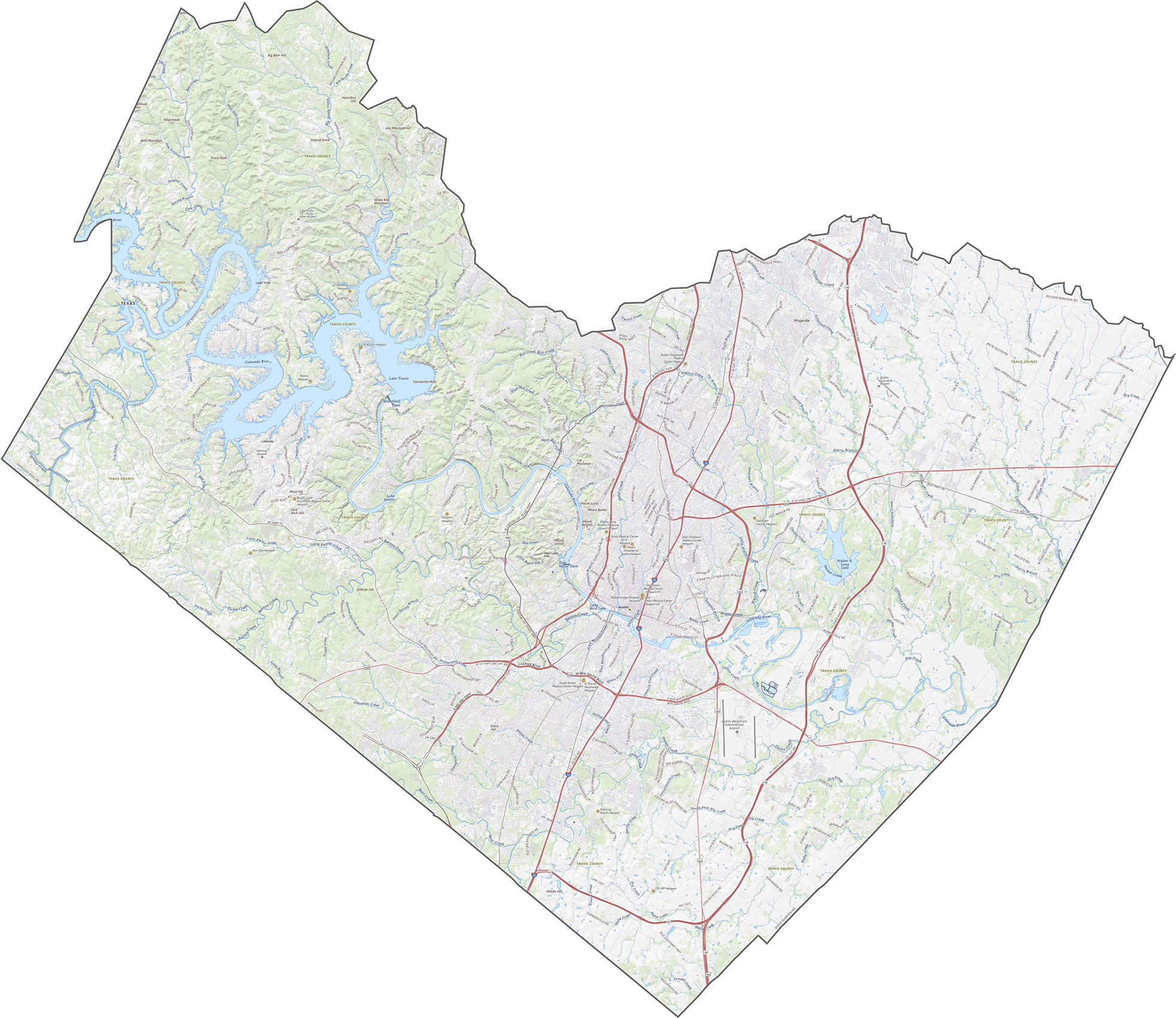
County-level climate projections through 2100 for hazard mitigation plans, FEMA grant applications, and infrastructure planning. Temperature extremes, precipitation trends, and water balance across 27 climate models.
Statistically downscaled climate projections from the Coupled Model Intercomparison Project Phase 6 — the same data used by federal agencies for national climate assessments.
Days above 90°F, 100°F, 105°F, 110°F. Cooling and heating degree days. Maximum and minimum temperature projections through 2100.
Annual totals, max 1-day and 5-day precipitation, consecutive dry and wet days. Drought and flood risk indicators.
Soil storage, runoff, evapotranspiration, snowpack, and water deficit projections from the Monthly Water Balance Model.
Comprehensive projections covering every aspect of climate change impacts relevant to property and infrastructure planning.
Heat stress days
Extreme heat days
Dangerous heat
Life-threatening heat
Cooling degree days
Heating degree days
Flood risk indicator
Drought duration
Water availability
Flood/drainage
Water loss
Irrigation needs
Climate Outlook reports serve organizations making long-term decisions about infrastructure, land use, and risk management.
County planners and emergency managers use climate projections for comprehensive plans, hazard mitigation updates, and infrastructure investment decisions.
Regional planning organizations use multi-county climate reports for coordinated regional planning and grant applications.
REITs, pension funds, and large property owners use climate projections to assess long-term portfolio risk and capital planning.
Infrastructure engineers and utility companies use climate projections for design standards and system planning.
Get county-level climate projections for your planning needs. Single counties or regional multi-county packages available.
Contact Us